
Custom software development services
Custom software,
built for the way you work.
We design and build the platforms your customers use, the tools your team runs on and the systems that connect them. We also extend and modernize software already in use.
When to build
When custom software is the right call.
Custom software usually makes sense in one of these four situations. When a standard product already covers the work, we say so before anything is built.
The tools you have stop at the hard part
Generic software covers the routine steps. Your team does the rest by hand: searching across folders and systems, then checking that every source says what you need.
Seen inLegal research platform
Your data lives in too many places
One question means pulling from several systems and joining the results by hand. You need one place to ask, with every source kept current.
Seen inResearch data platform
Volume has outgrown the workaround
What worked at a smaller scale now causes delays and costly errors. The fix is a system designed for the load, not more manual work.
Seen inMarketplace seller platform
You need the next part of a product you already run
A new module, an integration or an AI feature has to fit the code, data and release rhythm of the live product.
What we build
Customer platforms
and portalsProducts your customers sign in to: accounts, roles, plans, the core workflow and the dashboards around it.
Internal tools
and workspacesThe software your team runs on every day, shaped around its real steps, exceptions and approvals.
Data platforms
and analyticsPipelines that bring scattered sources into one store, clean and link them, and give analysts fast answers.
AI-powered
systemsSearch, drafting and agents that work on your own documents and data, with cited answers and guardrails.
Integrations
between systemsConnections to marketplaces, payments and your own tools, built to handle rate limits and failures.
Legacy software
modernizationAn aging core replaced in stages, with old and new side by side, planned so the business keeps running.
Client systems
Systems we built for clients.
Every figure stays with the project it comes from.
All workLegal research platform · Legal services
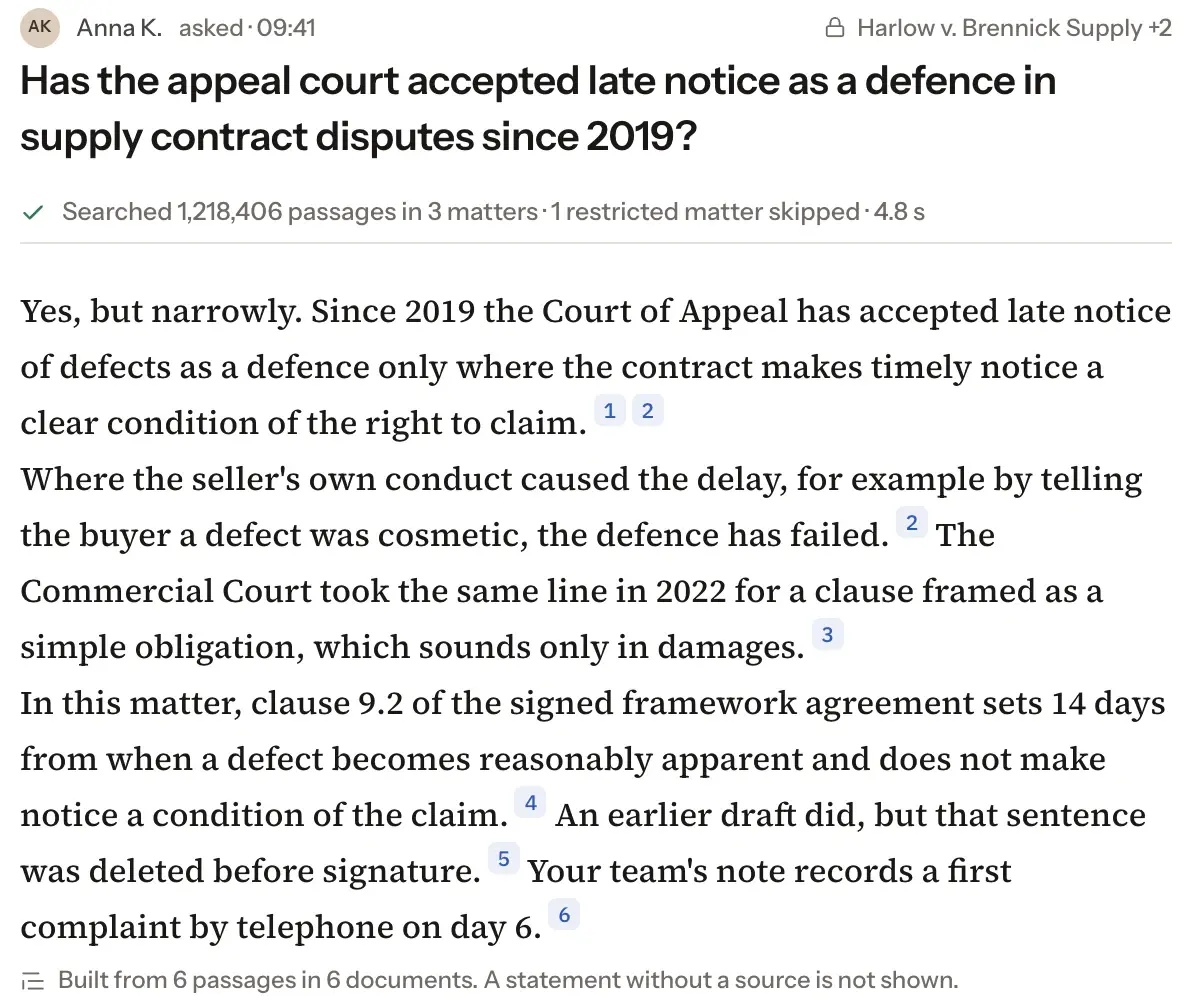
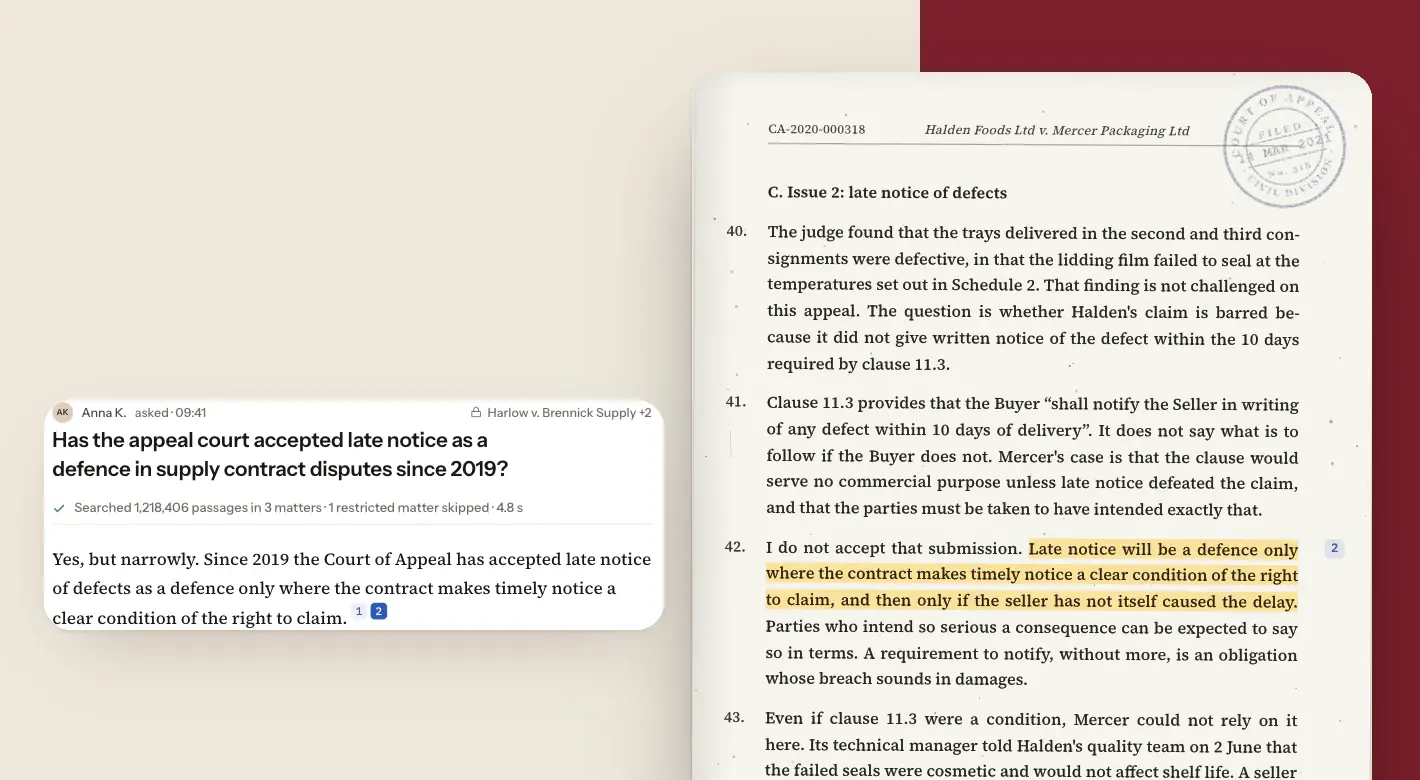
No source, no answer.
A large law firm needed its archive searchable: 130 TB of decisions, claims, case law and client files, a large share of it scanned. We built ingestion with OCR, permissions per matter and search by meaning. Every answer cites its sources. When nothing supports an answer, the system says it found nothing.
- Result
- 70–80%More cases closed per lawyerThe firm’s own estimate of output per lawyer
- Built with
- OCR, vector database, managed cloud language model
Research data platform · Market and financial research
Every source in one store.
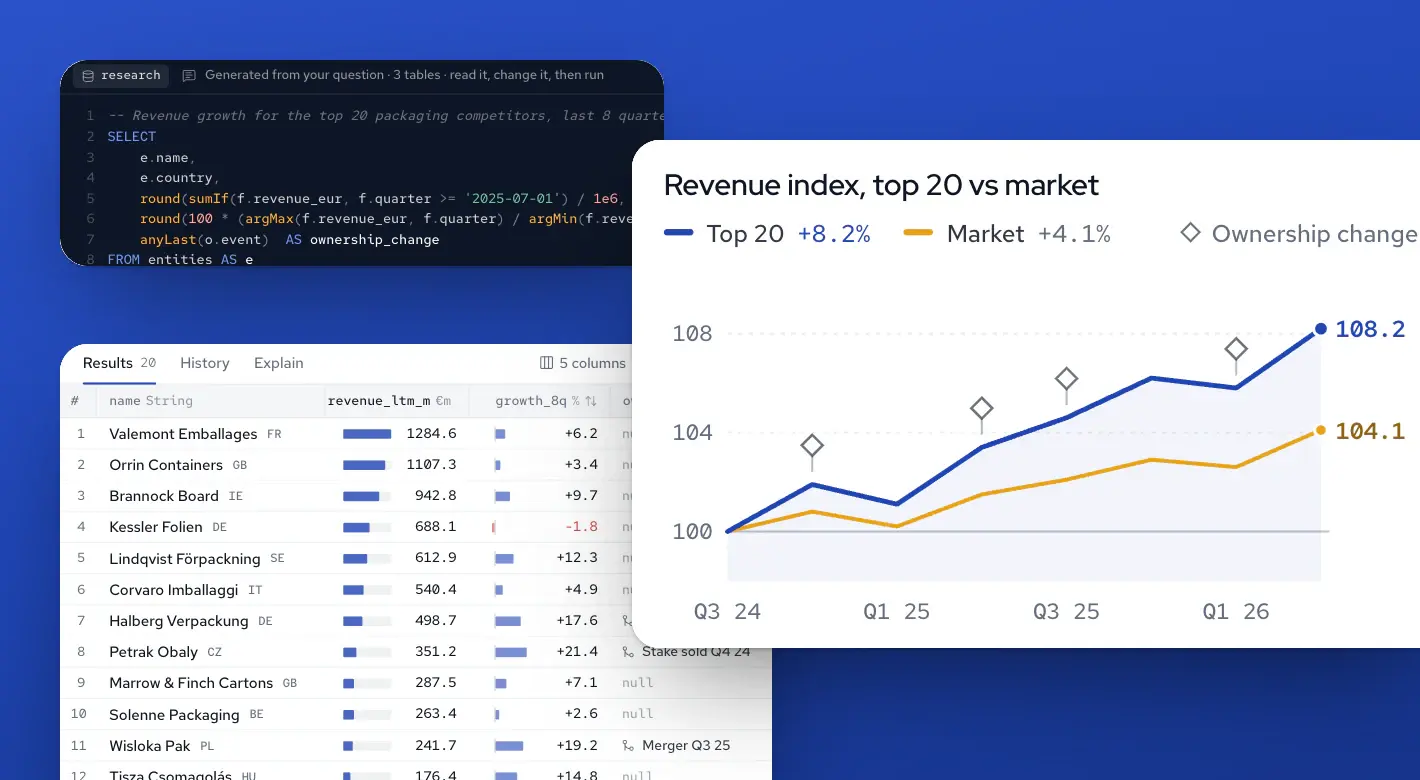
A research firm needed to query more than 50 sources together. We built pipelines on AWS that clean and link about 15 million new records a day and load them into one ClickHouse store, with analyst tools on top.
- Result
- 4×Faster queries on averageQuestions that crossed several systems are now one query
- Built with
- AWS, S3, Kafka, Airflow, Spark, ClickHouse
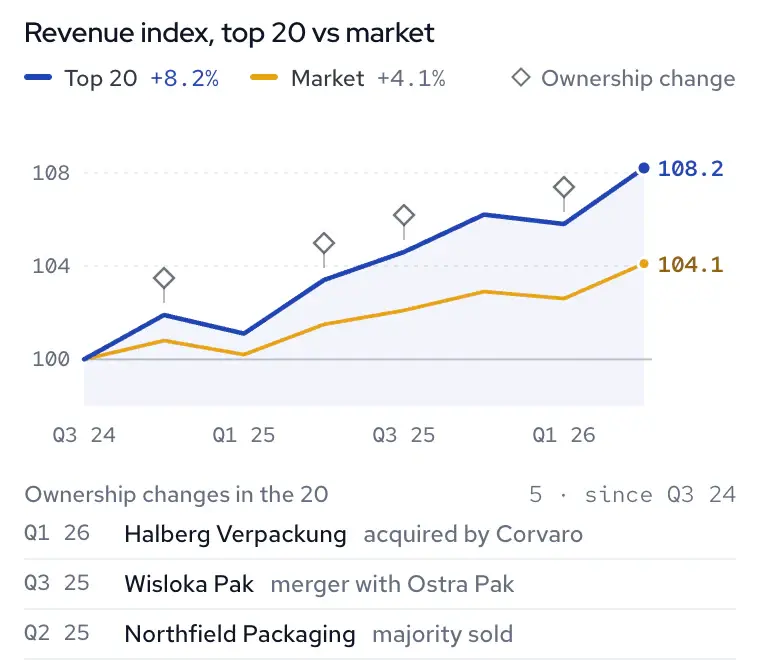
Marketplace seller platform · E-commerce
One ledger for every unit of stock.
Sellers on Amazon, eBay, Etsy, eMAG and Allegro needed stock, orders, buyer messages, returns and payments in one place. Every sale reserves stock in the ledger in a single step, so two orders cannot reserve the same last unit.
- Result
- 500,000+Orders processed a dayAcross all sellers on the platform
- Built with
- Java, Spring Boot, PostgreSQL, Kafka, Redis, Docker, Kubernetes, Stripe
Amplirest · Hospitality technology
Front of house and back office in one product.
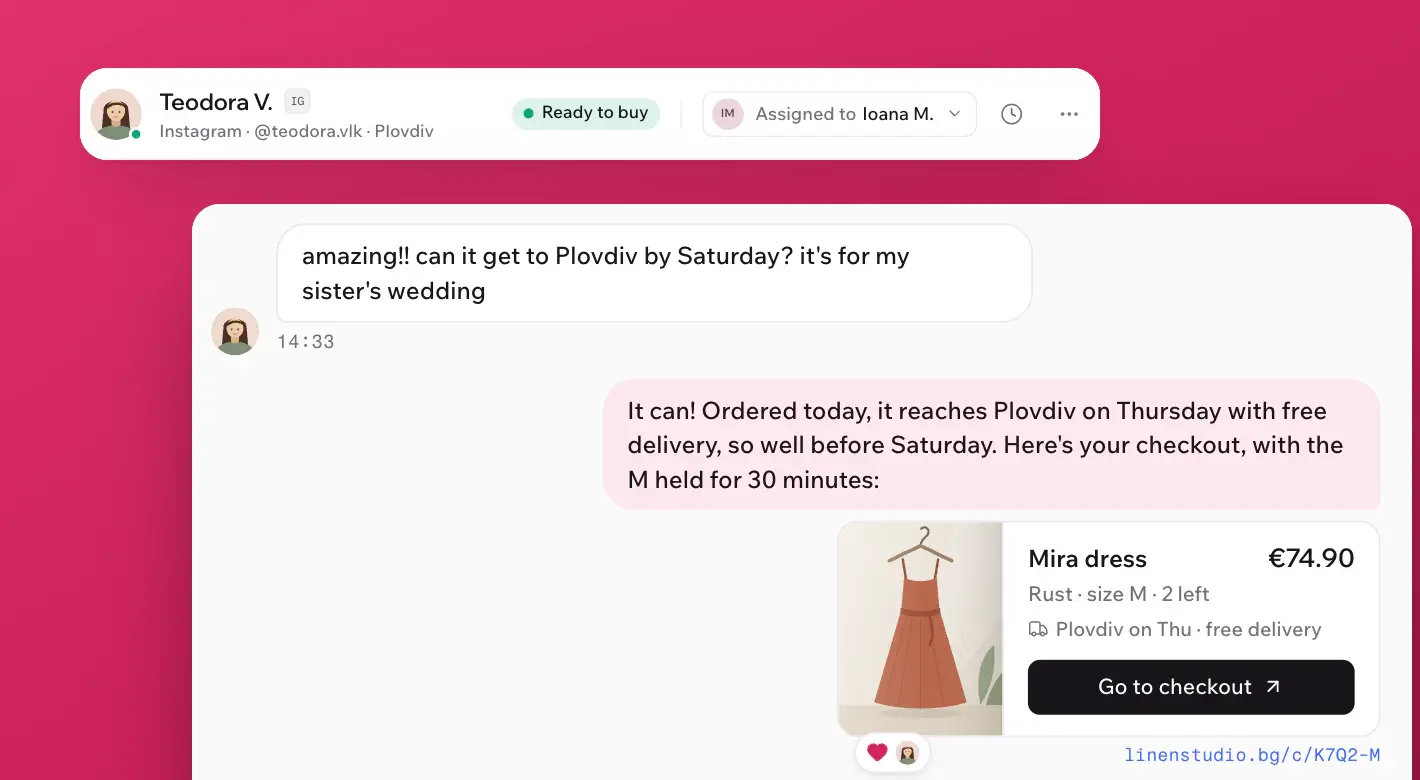
The client needed point of sale, menu management, inventory, finance and customer data together, with AI-assisted workflows. We designed and developed it as one connected system.
- Project
- Completed client project · Design and development
Clear scope.
Fixed price.
Agreed changes.
Five things set the size of the work and its price. If the scope changes, we estimate the effect on cost and timeline, and you approve the change before we start on it.
The roles, workflows and screens the first release must cover. We sort them into Must, Next and Later, so the first release stays focused.
How many systems it connects to, and how well documented and reliable their APIs are.
The volume and quality of the data, and what has to move over from the tools you use today.
Permissions, audit trails and the regulatory checks the system has to enforce.
Whether we start fresh or extend software already in use. We review the relevant code and architecture first.
How a custom software project runs
Five steps, each ending in a decision you make.
Step 01
First conversation
- Questions that sharpen the problem
- A first view of the scope and how we would approach it
You decide: scope it together?
Step 02
Discovery and scope
- Workflow map and systems inventory
- Scope with inclusions and exclusions
- Acceptance examples for each part
- Fixed price and a planned timeline
You decide: approve scope and price
Step 03
Design the system
- Architecture and data model
- Integration approach
- Key screens
You decide: approve the approach
Step 04
Build by milestone
- Working increments in a test environment
- Progress reviews at each milestone
- Test results and known limitations
You decide: accept each milestone
Step 05
Release and handover
- Production release
- Code and design files in your accounts
- Documentation for future development
You decide: continue or take over
Real timelines
How long four client systems took.
Build and support after launch, month by month. Point at a month to see what was built. Your timeline is agreed with the scope.
- Legal research platformLive in production
- Month 1 Archive and indexDocument ingestion, OCR, the permissions model and a first index over part of the archive.
- Month 2 Workspace and launchSearch, cited answers, comparison and drafting. The full archive indexed and the system in production.
- Month 3 SupportWatching real usage, fixing what lawyers reported and tuning results on their actual questions.
- AI sales agent for social mediaLive in production
- Month 1 Channels and modelConnecting the social networks, preparing past conversations and fine-tuning the model.
- Month 2 Inbox, scripts and launchDrafts in the inbox, tone of voice settings, script stages and auto-reply rules. Live in production.
- Month 3 SupportMonitoring live replies, adjusting rules and fixing what the team reported.
- AI agent platform MVPMVP delivered
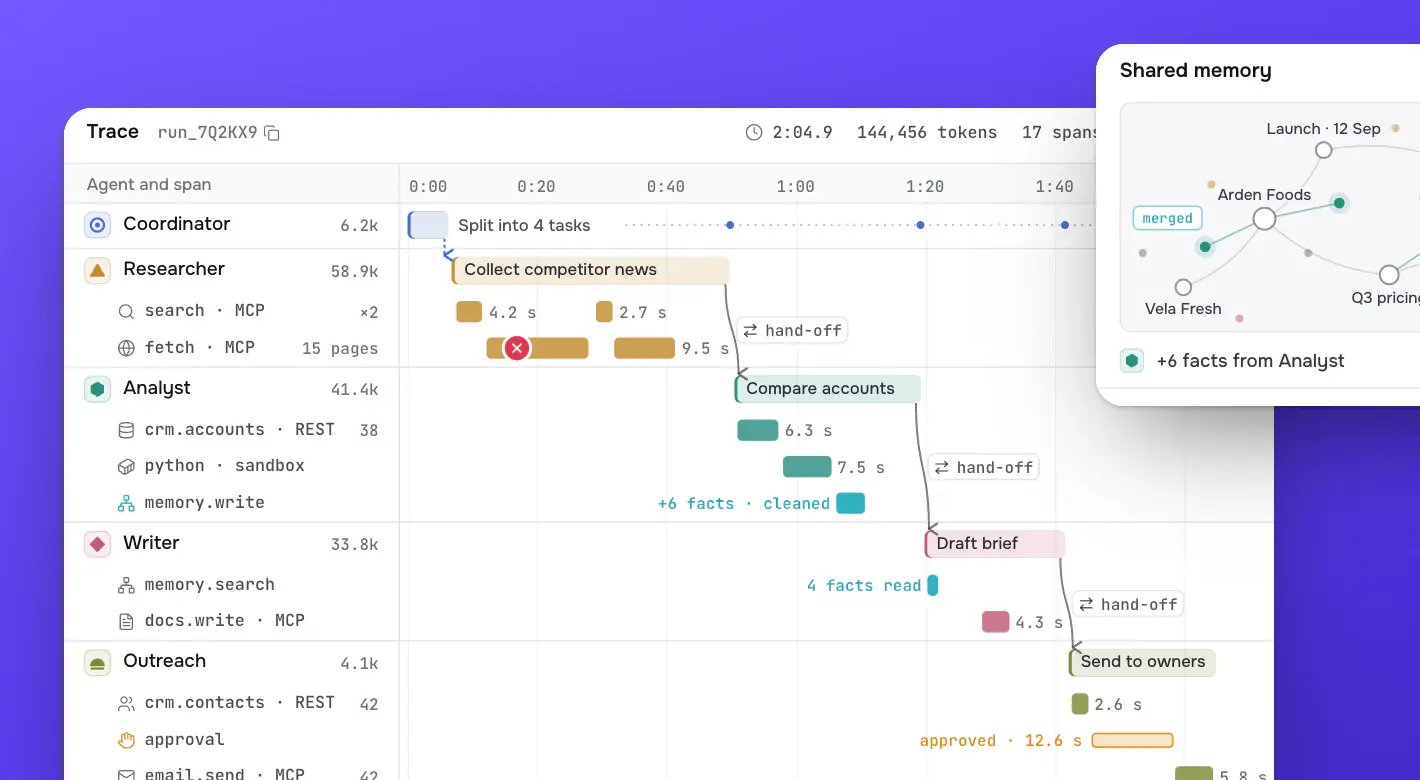
- Month 1 Agents and memoryThe agent builder, the coordinator, hand-offs and the shared memory with its cleaning step.
- Month 2 Guardrails, models, billingThe guardrail layer, the model router with hosted and open-source models, and Stripe subscriptions with limits.
- Research data platformLive in production
- Month 1 Sources and ingestionThe data lake, databases, registries, APIs and scrapers connected through Kafka and Airflow.
- Month 2 ProcessingSpark jobs for cleaning, deduplication, entity linking and pruning.
- Month 3 Store and toolsClickHouse, SQL access, dashboards and notebooks.
- Month 4 Search and launchSearch and plain-language questions. The platform in production.
- Month 5 SupportHelping analysts move their work over and tuning what they found slow.
What you get
Something real at every stage
Scope and a fixed price
What the first release includes and leaves out, with acceptance examples and a fixed price you approve.
Flows and architecture
User flows, key screens and the technical approach, agreed before the build starts.
Working software, by milestone
Each increment runs in a test environment. You accept it against its examples.
A product you own
You own the code and design files, with access from day one and documentation for future development.
Control where your data goes
Your data is excluded from AI provider training, and hosting in your own infrastructure is supported.
30 days of fixes after handover
Bugs within the delivered scope are fixed at no extra cost for 30 days after handover.






Frequently Asked Questions
It depends on the scope of the first release, the integrations, the data and the rules the system must enforce. After a first conversation we outline the work, timing and budget, and we agree a fixed price for a clear scope before development starts. Any additional work is estimated and approved by you before it begins.
It depends on the scope. Five of our client systems took two to four months of build to reach production or a delivered MVP: two months for the legal research platform, the AI sales agent and the AI agent platform MVP, four for the research data platform and the marketplace seller platform. We agree the timeline with the scope.
Buy when the process is standard and a product covers it well. Build when the work sets you apart, depends on your own data, or has to connect several systems in ways no product supports. If an existing tool fits better, we recommend it.
Yes. We review the relevant code, architecture and data first, agree a focused scope for the next part of the product and work alongside your team where you have one.
You do. You own the code and design files, with access from day one and documentation to support future development, whether by us, your team or another partner.
Senior designers and senior engineers: everyone on our team is senior. Code is reviewed by a second engineer against the agreed requirements, and other senior specialists join when the work needs them.
For 30 days after handover, we fix bugs within the delivered, agreed scope at no extra cost. For three of the client systems on this page, we stayed on for a month of support after launch, watching real usage and fixing what users reported. Ongoing support and further development can be arranged.
Yes. We agree confidentiality, publication permissions, external services and data access with you upfront. Your data is excluded from AI provider training, and hosting within your own infrastructure is supported.
Your system.
Let’s scope it.
Tell us what you are building or what is slowing your team down. We come back with questions and a first view of the scope.